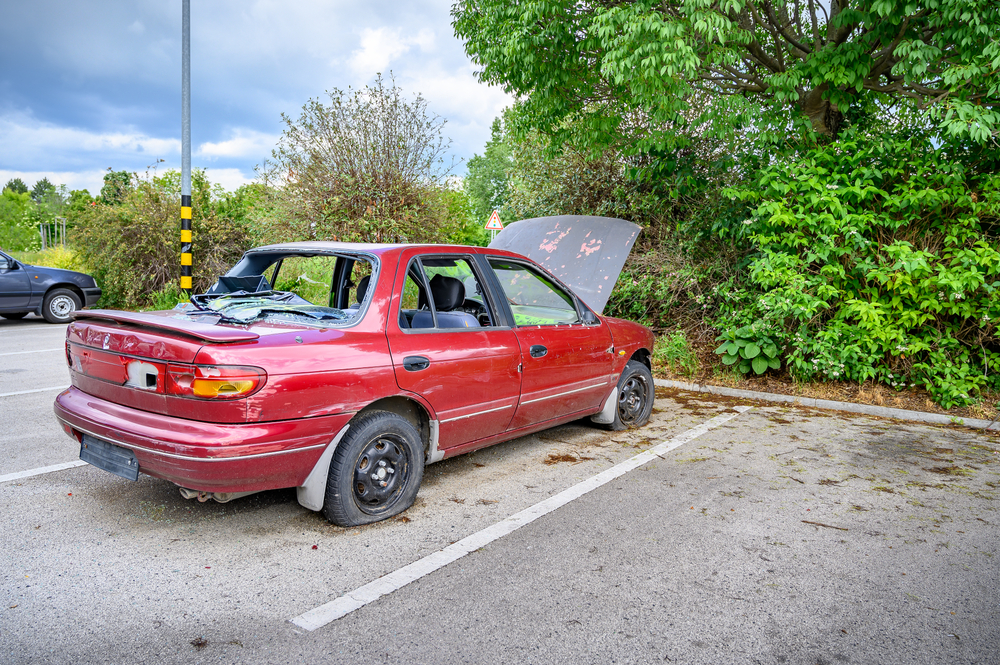
Deciding when to junk your car is one of the toughest decisions a vehicle owner must make. Your vehicle has likely been a reliable companion through countless miles and memories, but there comes a point when keeping it on the road becomes more costly and problematic than letting it go. Understanding the key signs that indicate it’s time to junk your car can help you make an informed decision that benefits both your wallet and your peace of mind.
Repair Costs Exceed the Car’s Value
One of the most telling signs that it’s time to junk your car is when repair expenses consistently exceed the vehicle’s market value. If your mechanic quotes you three thousand dollars to fix your transmission, and your car is only worth five thousand dollars, you need to seriously evaluate whether repairs make financial sense. This is especially true when facing multiple simultaneous issues like engine problems, electrical failures, or structural damage.
The general rule many mechanics recommend is the “50 percent rule.” If repairs cost more than 50 percent of the car’s current value, junking it becomes the more economical choice. Over time, older vehicles accumulate wear and tear that compounds into increasingly expensive fixes. You might fix the transmission only to discover the engine has serious problems three months later. This cycle of constant repairs drains your finances and adds stress to your life. At a certain point, you’re essentially throwing good money after bad by continuing to repair an aging vehicle.
The Check Engine Light Won’t Go Away
The check engine light that appears on your dashboard can indicate anything from a loose gas cap to serious engine damage. If you’ve had your vehicle serviced multiple times for the same issue and the light keeps returning, this signals underlying problems that your mechanic cannot fully resolve. Persistent warning lights suggest that expensive repairs or system failures are likely in your future.
Some vehicles develop electrical or sensor issues that are expensive to diagnose and repair properly. When mechanics cannot pinpoint the exact cause despite thorough testing, you’re left in a frustrating position. The uncertainty about what might fail next makes it difficult to plan financially. A vehicle that keeps triggering warning lights is telling you it’s reaching the end of its serviceable life. Junking it might be the best way to avoid unexpected breakdowns and the hefty repair bills that come with them.
Rust, Corrosion, and Body Damage
Extensive rust and corrosion are clear indicators that your vehicle is deteriorating structurally. Rust eats away at the metal components that hold your car together, including the frame, suspension, and body panels. Surface rust can be cosmetic, but deep rust that penetrates the frame or floor of your vehicle poses serious safety concerns. A car with significant rust damage may not pass safety inspections and could fail you during a collision.
Body damage from accidents, weather, or age also accumulates over time. Multiple dents, broken windows, missing trim pieces, and faded paint might seem minor individually but collectively indicate a vehicle past its prime. If the cost of repairing rust damage and body deterioration approaches or exceeds the car’s value, junking becomes the logical choice. Additionally, a heavily damaged or rusted vehicle attracts fewer buyers if you try to sell it privately, making junking your best option for removing it responsibly.
Frequent Breakdowns and Reliability Issues
If your car has become unreliable and breaks down frequently, you’re experiencing one of the most compelling reasons to junk it. Frequent breakdowns disrupt your daily life, leave you stranded on the roadside, and create safety risks. When you cannot trust your vehicle to get you where you need to go, its value as a transportation tool diminishes dramatically. You find yourself calling for roadside assistance repeatedly, paying for towing fees, and dealing with the inconvenience of unexpected repairs.
Reliability issues also affect your ability to maintain employment or manage family responsibilities if you’re constantly without transportation. The stress of wondering whether your car will start each morning or make it to your destination becomes mentally exhausting. Modern vehicles are designed to be reliable for many years, so a car that constantly breaks down has likely reached the end of its practical life. Junking it allows you to invest in a more dependable vehicle that won’t leave you stranded.
Safety Concerns and Failed Inspections
Safety should always be your top priority when deciding whether to keep a vehicle. If your car fails safety inspections repeatedly or has components that no longer function properly, it’s dangerous to drive. Failing brakes, non-functional airbags, severe tire wear, or broken lights compromise your safety and the safety of others on the road. These are not issues you should ignore or delay addressing.
In many states, vehicles that fail safety inspections cannot be legally driven until repairs are made. If those repairs cost more than the car’s value, you face an impossible situation. Some states have emission standards that older vehicles cannot meet, making it illegal to register and drive them. Environmental regulations exist for good reasons, and if your vehicle cannot meet these standards, junking it is often your only legal option. Driving an unsafe vehicle also increases your liability if you’re involved in an accident, as insurers may deny claims if the vehicle was known to be unsafe.
The Vehicle is Technologically Outdated
Older vehicles lack modern safety features and technology that prevent accidents and injuries. Newer cars include stability control, multiple airbags, backup cameras, collision avoidance systems, and automatic emergency braking. These features significantly reduce accident severity and save lives. If you’re driving a vehicle from the early 2000s or earlier, you’re missing critical safety technologies that are standard in modern cars.
Beyond safety, outdated vehicles often lack fuel efficiency improvements found in newer models. You’re spending more on gas while producing higher emissions. The lack of modern diagnostic systems also means mechanics have more difficulty pinpointing problems, leading to misdiagnoses and wasted repair money. If you’re concerned about safety and environmental impact, replacing an outdated vehicle might be more responsible than continuing to drive an aging car.
Conclusion
Deciding to junk your car requires honestly assessing whether the costs of keeping it on the road outweigh the benefits. When repair expenses rival the vehicle’s value, safety becomes questionable, reliability fails repeatedly, and breakdowns become frequent, it’s time to consider junking. By recognizing these signs early, you can make a planned decision rather than facing a crisis when your car fails completely. Junking your vehicle responsibly ensures it’s recycled properly while allowing you to move forward with a more dependable transportation solution.
Need Authentic Junk Car Buyers Near You?
Welcome to Lester’s Cash For Junk Cars! Lester’s Cash For Junk Cars has been in business since 1999 and serving the great area of Memphis, Tennessee ever since. We specialize in buying your junk cars that are taking space in your garage or yard. We will give you a great price on that old or run down car that has been sitting at your house for years. With more than 19 years in the industry, Lester’s Cash For Junk Cars prides ourselves on being fast, honest, and courteous. We are not here to rip you off but rather give you fair market value for your car in its current condition. We also offer towing services! Give us a call today to get some extra money in your pocket!