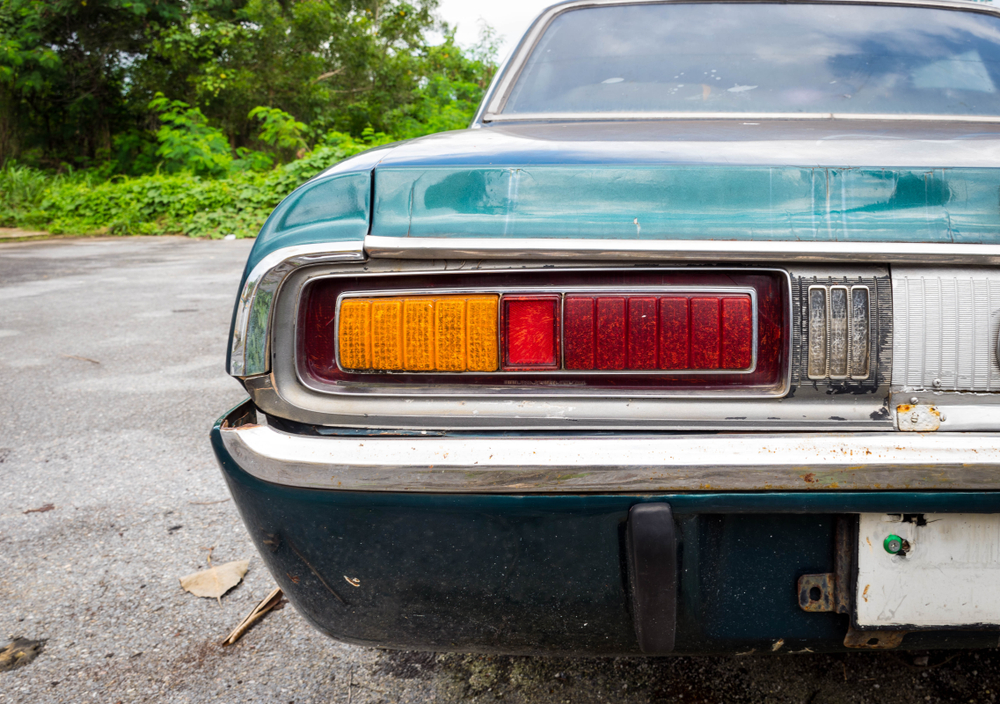
If you have an old vehicle sitting in your driveway, collecting rust and taking up space, you may be wondering whether it has any real monetary value left. The good news is that junk cars are worth more than most people assume. Across the country, millions of vehicles are sold to junkyards, salvage yards, and auto recyclers every year, and owners walk away with cash in hand. However, not every junk car is worth the same amount.
Several key factors influence the price you can expect to receive, and understanding them puts you in a much stronger position when it comes time to negotiate.
1. The Current Price of Scrap Metal
One of the most significant forces behind the value of junk cars is the price of scrap metal on the open market. When you sell a vehicle to a junkyard, a large portion of what they are paying for is raw material, primarily steel, aluminum, copper, and other metals that can be melted down and repurposed. These commodity prices fluctuate constantly based on global supply and demand, manufacturing trends, and economic conditions.
When scrap metal prices are high, junkyards can afford to pay more for vehicles because the raw materials they extract will bring in greater revenue. When prices drop, offers on junk cars tend to drop alongside them. Before you contact a buyer, it is worth checking the current price of scrap steel per ton in your region. That single data point can give you a realistic baseline for what your car might be worth and help you avoid accepting an offer that is far below the market rate.
2. The Weight and Size of the Vehicle
Size matters considerably in the world of junk cars. A large pickup truck or a full-size SUV will almost always fetch more money than a compact sedan or a small hatchback, simply because it contains more metal. Buyers and recyclers price junk cars largely by weight, meaning a heavier vehicle translates directly into more raw material and, therefore, a higher payout.
If you own a heavy-duty work truck, a large van, or a vintage American-built car from an era when automakers used significantly more steel, your vehicle is likely to command a better price. On the other hand, if your junk car is a small import with a lot of plastic components and minimal metal content, the offer will reflect that reality. Knowing your vehicle’s curb weight before you call around for quotes can help you set reasonable expectations.
3. The Condition and Completeness of the Car
Not all junk cars are in the same state of disrepair. Some vehicles are being scrapped simply because the repair costs exceed their market value, even though the engine still runs and most components are intact. Others have been stripped, burned, or left to deteriorate for years. These differences in condition have a direct impact on price.
A junk car that still has its catalytic converter, intact glass, functioning alternator, and usable interior parts is worth considerably more than one that has been picked clean. Salvage yards often resell working components before they send the remaining shell off for recycling. If your vehicle retains valuable parts, buyers can charge more for those components in their used parts inventory, and they factor that revenue potential into the price they offer you.
Conversely, if your car is missing major components, has significant fire damage, or has been sitting in standing water, expect offers on the lower end of the spectrum. Buyers will account for the extra labor and limited resale potential when calculating what they are willing to pay.
4. The Year, Make, and Model
Not every junk car is equally desirable to a salvage buyer, and the year, make, and model of your vehicle play a bigger role than many sellers realize. Certain vehicles have enormous followings in the used parts market. If your car is a popular model with a large owner base, the demand for its replacement parts will be higher, which means a junkyard can sell those components faster and at better prices.
For example, common trucks and sedans from major domestic and foreign brands tend to generate strong interest because so many of the same vehicles are still on the road. Parts for those vehicles move quickly. Rarer models or vehicles from brands that exited the market long ago may be harder to part out, reducing their overall value to a buyer. Additionally, newer model years may still have parts under warranty considerations, while older vehicles may have components that are now considered collectible. Research your specific vehicle to understand where it stands in the used parts ecosystem.
5. Your Location and Local Market Demand
Geography plays a surprisingly important role in determining what junk cars are worth. The presence of competition among junkyards and salvage yards in your area directly affects the offers you receive. In markets with multiple competing buyers, you have leverage to shop around and push for a higher price. In rural areas with fewer buyers nearby, you may have less bargaining power.
Transportation costs also factor into final offers. If you are far from a major recycling facility, buyers may reduce their offer to account for the expense of picking up the vehicle. Some companies offer free towing within a certain radius, while others deduct towing fees from the quoted price. Knowing the local landscape and calling multiple buyers gives you a clearer picture of the realistic range for your vehicle in your specific market. Always get at least three quotes before accepting any offer.
Conclusion
Understanding what drives the value of junk cars gives you a real advantage when it comes time to sell. The scrap metal market, your vehicle’s size and condition, the demand for its parts, and the competition in your local area all work together to determine what a buyer will pay. Take the time to gather information, collect multiple quotes, and go into the process knowing what your car is actually worth. A little preparation can mean a meaningfully higher payout.
Need Authentic Junk Car Buyers Near You?
Welcome to Lester’s Cash For Junk Cars! Lester’s Cash For Junk Cars has been in business since 1999 and serving the great area of Memphis, Tennessee ever since. We specialize in buying your junk cars that are taking space in your garage or yard. We will give you a great price on that old or run down car that has been sitting at your house for years. With more than 19 years in the industry, Lester’s Cash For Junk Cars prides ourselves on being fast, honest, and courteous. We are not here to rip you off but rather give you fair market value for your car in its current condition. We also offer towing services! Give us a call today to get some extra money in your pocket!